Objects that Remember
- Start date
- 15 June 2026
- End date
- 19 June 2026
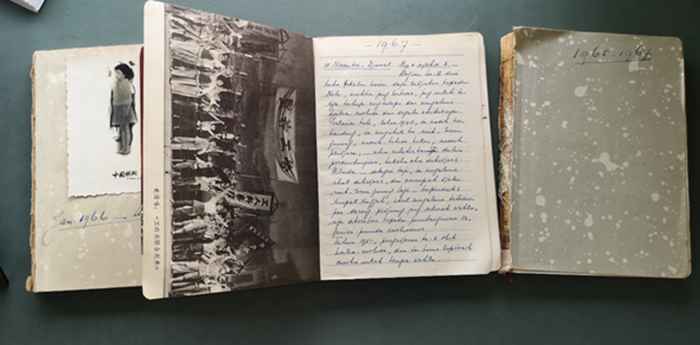
In a world marked by growing uncertainty, movement is not only common but often unavoidable. As people move, objects move with them. Yet this movement is uneven. Some objects travel across borders, while others remain behind, are lost, or come to rest in new contexts such as personal collections or archives. This raises a set of questions. Which objects are able to move, and which are not? Who moves them and under what conditions? What moves along with these people and objects?
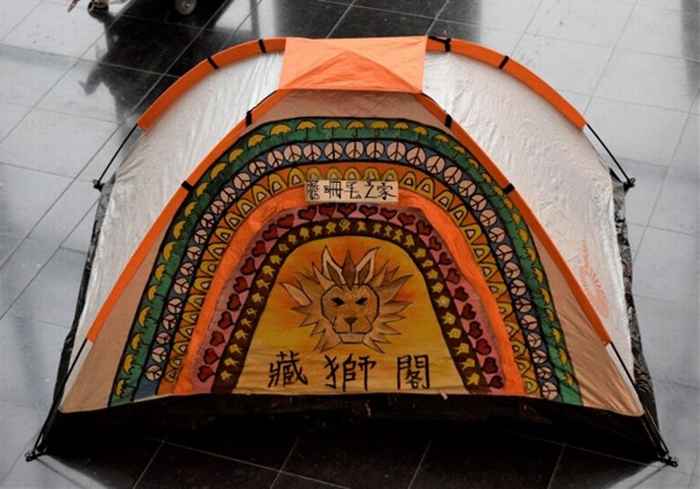
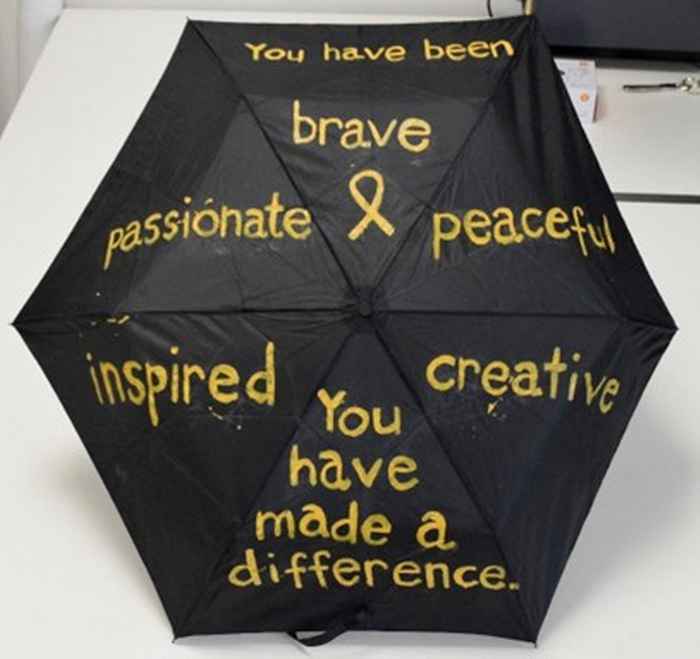
Objects that Remember brings together materials connected to Hong Kong and Indonesia to explore how objects carry memory across time and space, and how displaced people and objects negotiate the continuity of their struggles, remake homes, and imagine futures beyond exile.
Set across different historical timeframe and geographies, this exhibition considers how involuntary movement emerges under conditions of political repression and precarity. In Indonesia, the anti-communist purges beginning in 1965 left many Indonesians abroad unable to return home, rendering some stateless and forcing lives into prolonged exile and resistance from afar that continues across generations. In Hong Kong, the suppression of protests and political activism in recent years has led many to leave, carrying with them fragments of personal and collective memory. By bringing these contexts and objects into dialogue, the exhibition explores both the similarities and differences between these experiences of displacement.