The Autobiographical Lens: Emotions, Intersectionality, Precarity, and the Politics of Self-Narration
- Date
- 24 June 2026
- Time
- 14:00 -15:45
- Location
- University Library
- Room
- Ruyszaal
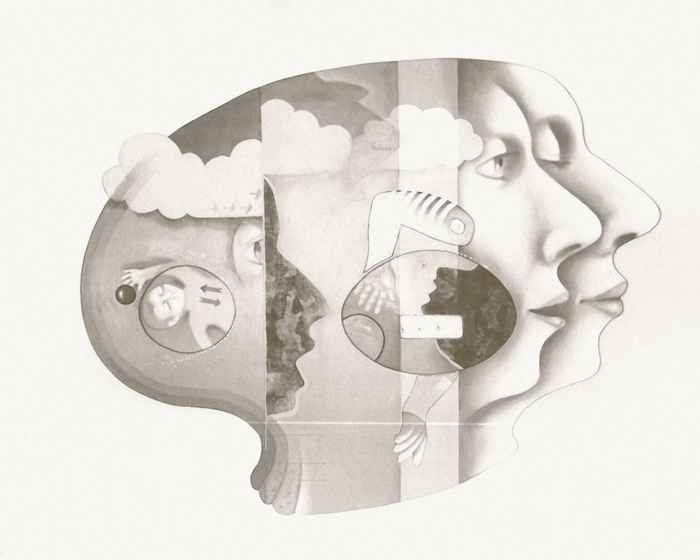
Autobiographical and autoethnographic approaches are far from mainstream but are becoming more influential across the social sciences and humanities. These approaches have provided important methodological and epistemological interventions by foregrounding lived experience, embodiment, affect, and situated knowledge. As we have shown in our two volumes, “From the Margins” (2026) and “Migrant Academics’ Narratives of Precarity” (2023), through autobiographical narration, scholars and participants are often able to articulate experiences of emotion, vulnerability, precarity, and intersecting forms of power that may remain obscured within more conventional academic modes of knowledge production.
Limitations of autobiographical writing
At the same time, we have been dealing with questions around the politics and limitations of self-narration. Through our own practices of autobiographical writing and editing of the above volumes, we have realized that while autobiographical approaches can create space for critical reflexivity and the articulation of marginalized experiences, they do face certain limitations. One being that there is an expectation to be autobiographical from marginalized academics, and therefore such self-narrations reinforce existing stereotypes. In addition, not all individuals possess the same degree of self-reflexive capacity. The autobiographical lens may therefore risk simplifying complex experiences or offering individualized understandings of structural problems, among other limitations.
Space for critical reflection
This workshop aims to create a space for critical reflection on both the analytical possibilities and the limitations of autobiographical approaches. Participants will discuss the epistemological, political, and ethical challenges that accompany the growing centrality of self-narration in academia.